English
  Français
  Deutsch
  Nederlands
  Français
  English
  English
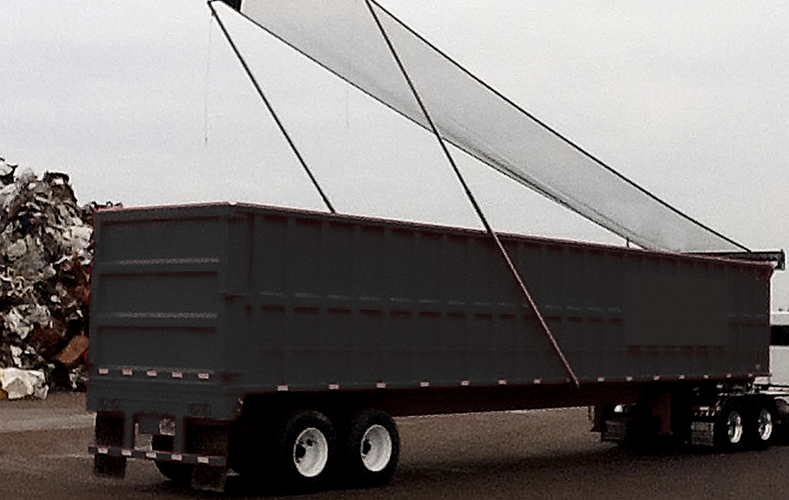
Hauling scrap metal, demolition debris, municipal waste, and recyclables is hard on equipment, especially on the tarp and the system that contains it. Loads are heavy, sharp, and often uneven, and they need to stay secure from the transfer station to the landfill or recycling facility. That’s where durable dump trailer tarp systems built for recycling and refuse work are critical.
Long days, constant loading cycles, and abrasive material put strain on both the tarp fabric and the hardware. If the system isn’t up to the job, you end up with torn tarps, exposed loads, and more downtime than you planned for. Choosing high‑quality refuse and recycling trailer tarp systems designed for these conditions helps keep operations moving and deliver reliable performance over the long haul.
In this article, we’ll look at the realities of refuse and recycling hauling and the key features to keep in mind when you’re selecting refuse and recycling tarp systems for your dump trailers and recycling trailers.
How to Choose Tarp Systems and Tarps for Refuse and Recycling Hauling
Moving large volumes of waste and recyclables isn’t just about capacity; it’s about containment at every stage. Good containment helps prevent road spills, reduces environmental risk, and supports compliance with coverage rules. Matching your dump trailer tarp system to the demands of this work is one of the best ways to protect both the load and your fleet operations.
The main areas to focus on are:
Tarp Material
Refuse and recycling trailers haul mixed loads. One day it might be light, moisture‑sensitive recyclables and the next it could be sharp scrap or demolition debris. Each type of load places different demands on the tarp. Paper and cardboard may need protection from moisture, while abrasive material requires fabric that can resist cuts and punctures.
Start by choosing a tarp style that fits your typical hauling application. Mesh tarps are a common choice when airflow is important, while vinyl tarps are better suited for sealed coverage and weather protection. Beyond the basic style, pay attention to tarp weight, denier count, stitching quality, reinforced hems, and any protective coatings. These aspects all play a role in how long the tarp will last.
For demanding applications like demolition and extreme waste, Roll‑Rite’s premium, HD, and Super Tough heavy‑duty mesh tarps are built with thicker, reinforced materials for maximum durability and are widely used by recyclers and demolition haulers as their go‑to option. For loads that need solid, sealed coverage, heavy‑duty vinyl tarps in HD, Premium, and Rip Stop are an ideal choice. They provide waterproof protection, help maintain temperature ranges, and are designed to stop small tears from running so you have time to repair the tarp instead of replacing it immediately.
Durable Tarp System Construction
Refuse tarp systems are exposed to tough conditions. Frequent loading and unloading, heavy loads, and repeated tarp deployment can increase wear on the tarp system. Hauling high volumes or using longer recycling trailers puts extra demand on the arm strength and motor capacity required to move the tarp smoothly across the load.
Look for dump trailer tarp systems with rugged aluminum construction, reinforced tarp arms, corrosion‑resistant hardware, strong pivots, and sealed motors that can handle dirty, wet conditions. It’s also smart to match spring capacity to tarp weight and trailer length so the system can move the tarp without straining components. Properly sized springs and balanced hardware help ensure smooth deployment and retraction, even when the tarp is heavy or the trailer is long.
Roll‑Rite dump trailer tarp systems are built with durable aluminum components and proven gear motor technology to keep payloads covered reliably. They’re available in configurations for end, belly, pup, and side dump trailers and are packaged with pre‑assembled components to simplify installation and support long service life with minimal maintenance.
Trailer Compatibility
No single system works for every trailer. Choosing a tarp system that matches your trailer type and layout is critical for safety, performance, and uptime. Refuse and recycling tarp systems are used on roll‑off trucks, hooklift trucks, recycling trailers, scrap and gondola trailers, and a range of dump trailer styles, each with different mounting and coverage needs.
Your dump trailer tarp system should be sized for the trailer’s length and body style and take into account hoist configuration, mounting position, and tailgate clearance. When those details are aligned, installation is easier, operation is smoother, and the tarp can provide full coverage without interference.
For end dump, belly dump, and pup trailers up to 34 feet long, Roll‑Rite’s TarpMaster Series is a strong fit. These automated, front‑to‑back arm‑style systems are built specifically for bodies up to 34 feet with a maximum tarp length of 36 feet. For longer recycling trailers, Roll‑Rite’s Super Duty Series offers extended systems tailored to larger applications.
For refuse and recycling transfer trailers, the Roll‑Rite STS Series provides an automated side‑to‑side tarping solution that locks the tarp down to securely contain debris and waste. For larger containers used on single or multi‑axle hooklift chassis and trailers, the Roll‑Rite DC Series automates tarping, reducing manual handling for drivers. Black Box wireless controls allow adjustable system settings and give operators a 360‑degree view of tarp movement, helping drivers monitor deployment in real time.
Featured Systems Sold Through Dealers
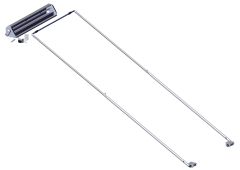
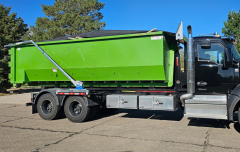

Dump Trailer Tarp Systems Built for the Harsh Demands of Refuse and Recycling Hauling
Hauling refuse and recycling loads safely demands more than a basic tarp set up. It requires a recycling tarp system and tarp material chosen specifically for the loads you carry and the trailers you run. By matching tarp fabric and weight to the application, and pairing it with a system sized and configured for your vehicles, fleets can achieve secure containment, longer equipment life, and smoother day‑to‑day operations.
FAQs
How do fleets spec tarp systems for mixed waste and recycling loads?
Most fleets start by selecting the system type that fits their trailer and routes, then match tarp material and tensioning capacity to the toughest loads they handle. That means considering the heaviest, most abrasive waste or recycling material and making sure the arms, springs, and motor can manage that weight. When questions come up around sizing, installation, or technical details, Roll‑Rite resources and support staff can help work through measurements and system choices.
What tarp system is used for refuse waste loads hauled on dump trailers?
For many refuse loads on end dump, belly dump, and pup trailers with bodies up to 34 feet, fleets rely on Roll‑Rite’s TarpMaster Series. These automated front‑to‑back arm‑style systems are designed around a maximum tarp length of 36 feet and come pre‑packaged with key components pre‑assembled to simplify installation and ensure a secure fit on standard trailers. When the trailer is longer, or the coverage area needs to be extended, the Super Duty Series provides larger‑scale solutions built for those applications.
Can one tarp system handle both refuse and recycling loads?
Yes, as long as the system is compatible with the trailer configuration and the tarp material is chosen with the most demanding application in mind. Many fleets running mixed refuse and recycling operations use the same tarp system but switch tarp materials depending on whether they need more airflow, more abrasion resistance, or sealed waterproof coverage for a particular route.
Consultations for tarp and safety solutions are available through Roll-Rite's Safe Fleet Service Centers. You may contact our experts directly for quotes, product information, or help finding your authorized distributor.
ABOUT THE AUTHOR

Keith Lowe
National Sales Manager, Refuse & Recycling
Keith is a waste industry veteran with over three decades of expertise who understands the importance of safety and the needs of industry professionals.